REMEMBERING THE WOMEN OF THE GREATEST GENERATION
As we celebrate America’s workers this Labor Day weekend, let’s take a minute to honor a very special group: the hardworking, dedicated women of the Greatest Generation’s wartime workforce, often fondly referred to as “Rosie the Riveters.”
Who or what did Rosie the Riveter symbolize?
During World War II, the massive conscription of men created a labor shortage in vital jobs. Rosie the Riveter emerged as a cultural symbol representing the 19 million women patriots who entered the trades and professions traditionally held by men. Many of these women manufactured dangerous munitions and critical war supplies.
My mother was one of these wonderful patriots! While my father was serving overseas in the U.S. Army Air Forces, she did her part for the war effort making munitions at a sprawling Army ammunition plant.

Images of women workers were widespread in government posters and commercial advertisements urging them to volunteer for wartime factory work. Millions answered their country’s call by operating heavy machinery, working in shipyards, lumber and steel mills, on assembly lines, and undertaking physically demanding tasks like unloading freight and war materials. They produced trucks, jeeps, boats, planes, and tanks. They serviced, repaired, and overhauled vehicles, aircraft, and appliances, and assisted with construction projects. Others worked long hours on farms and ranches to feed the nation and the war machine. The list of jobs was endless and extended beyond work outside the home. Many were mothers caring for children at home, pooling resources by sharing apartments and houses to save time, money, utilities, and food, while coordinating cooking, cleaning, and laundry, freeing others to serve in their communities.
Whether women supported those in uniform by serving as placeholders in the workforce, managing the home front, or both, one theme surfaced for all to see: the resilience of America’s mothers, wives, sisters, and daughters. This underlying message was witnessed countless times and will likely never be repeated. Many kept supporting the war effort through their grief after loved ones sacrificed everything for this great nation.
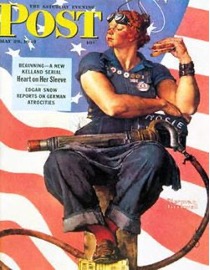
“Rosie the Riveter” was first used as a song of the same name in 1942, and it became a national hit. The Hollywood movie Rosie the Riveter was released in 1944. Another film titled Bomb Girls chronicled the lives of the Rosies’ Canadian counterparts during the war.
Who was the real Rosie the Riveter?
The identity of the “real” Rosie the Riveter is debated. I would argue there were 19 million candidates for the esteemed honor, my Mom included! Remember all of your “Rosies” and the cherished memories with them! And don’t forget to pass on their patriotic stories to future generations!
Compiled by the author from numerous cited open sources